
How many quarters in hockey? This is a question that may have crossed your mind if you’re new to the world of ice hockey. As someone who has been playing and watching this fast-paced sport for years, I can confidently say that understanding the game of hockey takes time and patience. But don’t worry, I’ve got you covered!
In this article, we’ll break down everything you need to know about the structure of a hockey game – from periods to intermissions and everything in between. Whether you’re a beginner wanting to learn more about the sport or simply curious about its unique format, we’ll take a deep dive into all things “quarters” in hockey. So let’s lace up our skates and get ready to hit the ice as we explore this exciting game together!
So, how many quarter in hockey?
There are three quarters in a hockey game, each lasting 20 minutes. The total playing time is 60 minutes, with breaks in between quarters for players to rest and strategize. However, unlike other sports such as basketball or football where the clock stops during timeouts or injuries, the clock continuously runs during a hockey game except for certain situations like penalties or goals being scored.
Understanding the structure of a hockey game can be confusing at first, but it follows a similar pattern to other team sports. Each quarter begins with a faceoff at center ice, where two players from opposing teams battle to gain possession of the puck. From there, they try to maneuver their way towards their opponent’s goal and score points by shooting the puck past the goalie.
During gameplay, players can pass and shoot the puck using their sticks while skating on ice. They must also defend against their opponents’ attempts to score by blocking shots and physically defending against them.
At halftime (after two quarters), there is typically an intermission break where both teams have time to regroup and make any necessary adjustments before returning to play for another 20-minute period.
In addition to regular gameplay, there are also power plays and penalty kills which occur when one team commits an infraction resulting in a player being sent off temporarily or permanently from the ice. These special situations add an extra layer of strategy and excitement to the game.
Overall, understanding that there are four quarters in a hockey game helps provide structure when watching this fast-paced sport. With its unique blend of physicality and skillful maneuvers on ice, it’s no wonder why hockey has captured fans all over the world. So next time you tune into a game or attend one live at an arena near you, keep track of those four quarters as each one brings new opportunities for your favorite team to come out victorious!
Understanding the Basics: Periods versus Quarters in Hockey
In hockey, understanding the structure of the game is crucial for both players and fans alike. The game is divided into three distinct periods, each lasting 20 minutes. This format allows teams to strategize and adjust their gameplay as they head into each new phase. At the beginning of every period, players gather in their respective benches, discussing tactics while coaches relay important instructions. The excitement builds as the siren sounds to signal a fresh start! In contrast to other sports that have quarters, like basketball or football, these periods offer an uninterrupted flow of play that can lead to non-stop action and thrilling moments on ice.
While some might wonder why hockey sticks with periods instead of quarters, it actually enhances the game’s pace. Each team has ample opportunity to showcase its skills throughout those intense twenty-minute stretches without feeling rushed by frequent breaks. Additionally, if a tie occurs at the end of regulation time—after all three periods—the game may then proceed into overtime or a shootout for a winner-takes-all climax! This unique structure keeps fans engaged until the final whistle blows and adds layers of drama as teams fight tooth-and-nail for victory on that slippery surface we adore so much.
Examining Intermissions and Break Times in a Hockey Match
In a hockey match, intermissions and break times play a vital role in the overall experience for both players and fans. These pauses are not just about resting; they offer moments for strategy adjustments, allowing coaches to communicate new game plans while the adrenaline rush from earlier plays begins to settle. During this time, players can hydrate and refocus their minds, preparing for what lies ahead on the icy battlefield.
The excitement spills into the stands as well—fans chat about thrilling goals or near-misses that occurred before the whistle blew. This is often when lively discussions spark between friends or even strangers sharing snacks and drinks.
The atmosphere during breaks is electric; it’s an opportunity for teams to engage with their supporters through promotional events or fun contests on ice. Sometimes mascots take center stage, entertaining crowds with silly antics that evoke laughter and cheers alike. The sound of skates gliding across fresh ice resumes after intermission ends, signaling renewed energy and determination from everyone involved. Each break becomes a crucial juncture that influences morale and momentum within the game itself—a brief pause harmonizing athleticism with camaraderie among fans who cherish these moments together at arena venues filled with anticipation.
Read also: boston bruins hockey stick
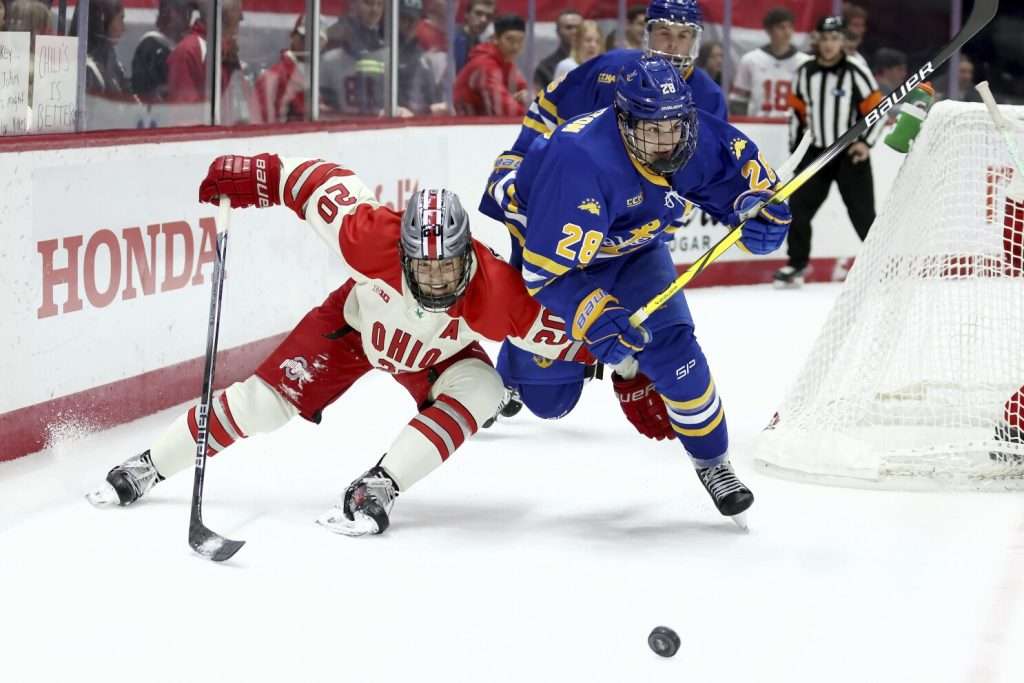
Deciphering Overtime Rules and Sudden Death Scenarios in Hockey
In hockey, the rules regarding overtime can feel a bit like uncharted territory for fans and players alike. When the game is tied at the end of regulation time, teams enter an exciting overtime period. In league play, this usually consists of a five-minute session featuring three-on-three action. This format emphasizes speed and skill as fewer players on the ice create open spaces and scoring opportunities. If neither team scores during this brief window, a shootout may ensue where individual players try to outmaneuver goaltenders in one-on-one situations. It’s thrilling to watch as each player attempts to secure victory for their team amidst mounting pressure.
Sudden death scenarios add another layer of intensity to the game; here, any goal scored instantly ends the match and determines its outcome. The unpredictable nature of sudden death not only elevates heart rates but also fosters extraordinary moments of triumph or despair that leave lasting impressions in sports history. Fans often find themselves on edge during these nail-biting moments when every pass counts:
- One misstep could lead to defeat
- A perfectly timed shot might spark wild celebrations
It’s within these high-stakes situations that true heroes emerge—players who rise above challenges with remarkable poise under pressure.
Conclusion: The Uniqueness of Ice Hockey’s Time Structure Explained
Ice hockey has a captivating time structure that sets it apart from many other sports. Unlike football or basketball, the game is divided into three periods rather than halves or quarters. Each period lasts 20 minutes of playing time, but here’s where it gets interesting—this time doesn’t stop for every little play. Instead, the clock only pauses during specific situations like penalties and when there’s a stoppage due to injuries or goals scored. This creates an exciting rhythm where the action flows continuously, making every moment feel critical. Players must be quick on their skates and sharp in their decisions because they have limited time to score before the whistle blows.
Moreover, ice hockey also features a unique dynamic with its overtime rules. If the game is tied at the end of regulation, teams enter a five-minute sudden-death overtime period during which any goal wins the match immediately. If no one scores in this timeframe, they then face off in a shootout—a thrilling spectacle where each team selects players to take penalty shots against opposing goalies. The blend of timed periods and unconventional finishes ensures fans are always on edge, contributing to an exhilarating experience unlike anything else in sports!
You may also like: arctic star air hockey table
Read also: north america hockey classic
