
Are you tired of constantly searching for that perfect hockey stick, only to find yourself struggling with the shaft? Look no further! As a fellow hockey player, I know how frustrating it can be to have a stick that feels like an extension of your arm…until you realize the shaft is too thick or too thin for your grip. But fear not, because in this article, I will guide you through everything you need to know about hockey stick shafts.
From understanding the different types and materials used in making them, to finding the right flex and length for your playing style and position- we’ll cover it all. Plus, as someone who has been playing hockey since I was old enough to walk (and now studying sports science), trust me when I say no one knows these sticks better than I do! So whether you’re a beginner or a seasoned pro looking for an upgrade, keep reading to discover how to find your perfect fit with hockey stick shafts. Let’s get started!
So, hockey stick shafts?
Hockey is a fast-paced and physically demanding sport that requires players to have the right equipment in order to perform at their best. One crucial piece of equipment for any hockey player is their stick, specifically the shaft. The shaft is the long, narrow part of the stick that connects the blade to the handle.
When it comes to finding the perfect fit for your hockey stick shaft, there are several factors to consider. First and foremost, you need to determine which hand you hold your stick with – left or right. This will determine whether you need a left-handed or right-handed shaft.
Next, think about your playing style and position on the ice. Forwards typically prefer shorter and lighter sticks for better control and quick shots, while defensemen may opt for longer sticks for more reach and power behind their shots.
Another important factor is flex – how much give or bend there is in the shaft when pressure is applied. Generally speaking, younger players should use a lower flex (around 40-50) while older players can handle stiffer flexes (60+). However, this also depends on personal preference and shooting technique.
The shape of the shaft also plays a role in finding your perfect fit. There are two main shapes: round and square/contoured edges. Round shafts provide an even grip all around while square/contoured edges offer more surface area for added control.
Lastly, consider materials used in making hockey stick shafts such as wood, composite or carbon fiber blends. Each material has its own benefits – wood being sturdy but heavier; composite offering flexibility without sacrificing strength; carbon fiber providing lightweight yet durable options.
Ultimately, finding the perfect fit for your hockey stick shaft involves trial-and-error as well as understanding what works best with your playing style and preferences. Taking these factors into consideration will help guide you towards selecting a high-quality shaft that will enhance your performance on the ice.
Understanding the Different Types of Hockey Stick Shafts
When diving into the world of hockey sticks, one of the most fascinating components is the shaft. Hockey stick shafts come in various materials and flex ratings, each designed to enhance a player’s performance on the ice. Typically made from composite materials, wood, or aluminum, these shafts differ vastly in feel and function. Composite shafts are incredibly popular due to their lightweight nature and strength; they provide excellent energy transfer during shots. Wood shafts offer a traditional feel but tend to be heavier and less durable than their composite counterparts. Aluminum shafts bring unique benefits too; they are often lighter than wood while providing decent durability, appealing mainly to casual players.
Flex rating plays a crucial role in selecting a hockey stick shaft as well. A higher flex means more bend when shooting, which can translate into harder shots for stronger players who know how to use it effectively. Conversely, lower-flex options cater better to younger or smaller players who need greater control over their stick movements without excessive strain on their wrists or arms. When choosing a shaft that suits your style of play, consider factors like height, weight, and skill level carefully—matching these elements ensures you have just the right tool for skating across that icy battlefield!
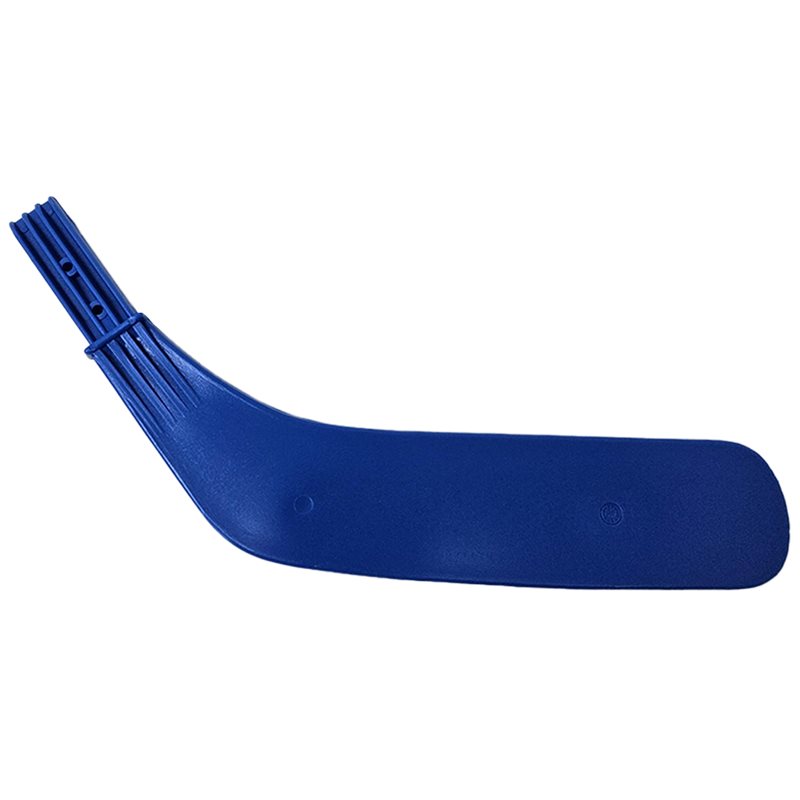
Examining the Various Materials Used in Making Hockey Stick Shafts
When it comes to hockey sticks, the shaft is a crucial component that greatly influences performance. Traditionally, wooden shafts were the norm, allowing players to feel a strong connection with their puck-handling skills. However, as technology advanced, manufacturers began experimenting with other materials. Today’s hockey sticks are typically made from composite, aluminum, or even high-grade wood. Each material brings unique benefits and drawbacks that cater to different player preferences.
Composite shafts stand out for their lightweight and durable nature. Made from layers of carbon fiber or fiberglass layered together, they provide excellent flex and shock absorption during intense gameplay. Players often favor composite sticks for their ability to enhance shot power while maintaining control over the puck. Conversely, aluminum shafts offer increased sturdiness but can be heavier than composites; however, many players appreciate their reliability when taking hard hits on the ice.
Lastly, some stick enthusiasts still cherish traditional wooden models for their classic feel and craftsmanship—often opting for them in leagues where regulations allow it.
- The choice of material can significantly affect game performance.
- Factors like weight and flexibility play key roles in a player’s comfort.
Each player’s style will ultimately guide which shaft suits them best!
Read also: how do you clean hockey gear
Hockey Stick Shafts: Finding the Right Flex and Length for Your Playing Style and Position
Choosing the right hockey stick shaft is essential for maximizing your performance on the ice. The flex of a stick refers to how much it bends when pressure is applied. Players should consider their strength and playing style when selecting flex—stiffer shafts are often preferred by powerful players who take hard shots, while more flexible shafts can help lighter players generate better wrist shots. A good rule of thumb is to choose a flex that matches your weight; for example, if you weigh around 150 pounds, a flex rating of 75 might feel just right.
The length of the shaft also plays an important role in comfort and effectiveness during gameplay. A longer stick can offer enhanced reach and leverage but may be unwieldy for certain movements or quick turns. Conversely, a shorter stick allows for better puck control but may limit your shooting range. When determining the best length for your position—be it forward or defense—it’s crucial to find a balance between reach and handling ability:
- Forwards: Typically prefer slightly longer sticks.
- Defensemen: May benefit from extra length for poke checks.
Ultimately, it’s all about personal preference combined with understanding how these elements work together on the ice!
Choosing Your Perfect Fit Among Hockey Stick Shafts
When it comes to finding the right hockey stick shaft, there are several factors to consider that can make a world of difference on the ice. First and foremost, you want to think about your playing style. Some players prefer a stiffer shaft for better accuracy during shots, while others might lean towards a more flexible option that allows for quick wrist shots and passes. The flex rating is crucial here; this number indicates how much the shaft bends under pressure. For instance, if you’re lighter or have a more agile playing style, choosing a lower flex may enhance your control and speed.
Another important consideration is the material of the shaft itself. Most modern shafts are made from either composite materials or wood. Composite shafts tend to be lighter and offer better consistency in performance but can come with higher price tags. On the other hand, wooden shafts provide durability at an affordable rate but may not always deliver optimal feel or responsiveness during intense gameplay. As you explore options, don’t forget to look into grip options as well—some players prefer smooth finishes while others like textured grips for added control when making fast movements on the rink.
Ultimately, finding your perfect fit involves personal preference along with these key elements working together harmoniously!
You may also like: marvel air hockey table
Read also: Is air hockey a good game?
