
As a fellow hockey player, I know how frustrating it can be to deal with the dreaded lace bite. It can strike at any time and send sharp pains through your foot, impacting your performance on the ice. But what exactly is lace bite? And more importantly, how do you prevent and treat it?
In this article, I’ll break down everything you need to know about lace bite in hockey. From what causes it to how to properly lace your skates to avoid it, we’ll cover all the basics so you can keep playing without discomfort or pain. Whether you’re a seasoned pro or just starting out in the sport, this guide will help you understand and manage lace bite for a better game experience. So let’s get started!
So, what is lace bite in hockey?
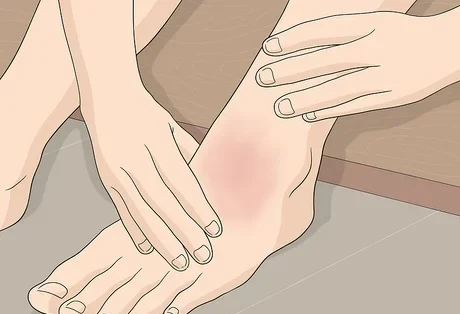
Lace bite in hockey is a common injury that occurs when the laces of a player’s skate are tied too tightly, causing pressure and irritation on the front of the ankle. This can result in pain, swelling, and bruising, making it difficult for players to continue skating or even walk comfortably.
The condition gets its name from the lace-like pattern that appears on the skin due to friction and pressure from tight laces. It is more prevalent among ice hockey players because they wear stiff boots with tight-fitting skates.
To prevent lace bite, players should ensure their skates fit properly and avoid tying them too tightly. They can also use foam pads or gel inserts to cushion their ankles while skating.
If someone does experience lace bite, rest and icing can help alleviate symptoms. In severe cases, medical treatment may be necessary to reduce inflammation and relieve pain.
In conclusion, lace bite is an injury that all hockey players should be aware of as it can affect their performance on the ice. Proper fitting skates and taking precautions while tying laces can go a long way in preventing this painful condition.
Understanding the Causes of Lace Bite in Hockey
Lace bite in hockey can be a painful experience for players, often causing discomfort that distracts from the game itself. This condition typically arises when the laces of a player’s skates dig into the top part of their foot, particularly around the ankle area. As they skate and pivot on ice, repetitive movements can create friction between the laces and skin. The pressure may lead to inflammation or even bruising if not addressed promptly. Players with higher arches or those who lace their skates too tightly are more prone to lace bite since these factors increase stress on sensitive areas.
To prevent lace bite, it’s essential for players to adjust their lacing technique and ensure their skates fit properly. Here are some tips:
- Looser Lacing: Start by loosening laces around the ankle while keeping them snug elsewhere.
- Padded Socks: Wearing thicker socks can provide an extra layer of cushioning.
- Ankle Support: Utilizing additional supports like braces may help alleviate pressure during play.
By understanding how lace bite occurs and taking proactive steps, athletes can enjoy skating without unnecessary pain, allowing them to focus entirely on honing their skills and playing hard on the ice!
Preventing Lace Bite in Hockey: Correct Lacing Techniques and Equipment Choices
Lace bite can be a real nuisance for hockey players, causing painful pressure on the top of the foot due to improperly laced skates. To prevent this discomfort, it’s essential to focus on correct lacing techniques. Start by ensuring that your skates fit snugly but not too tight; you want them secure without cutting off circulation. When lacing up, consider using a crisscross pattern that goes all the way up to the top eyelets. This method evenly distributes tension across your foot and ankle, creating better support and reducing localized pressure points where lace bite often occurs. Additionally, leave some space at the instep—this allows for natural movement while still providing necessary control.
Choosing suitable equipment also plays a crucial role in preventing lace bite. High-quality socks made from moisture-wicking materials will keep your feet dry and reduce friction within the skate boot. Look for padded or cushioned socks designed specifically for hockey; they provide extra comfort where you need it most. Furthermore, investing in custom insoles or orthopedic devices can enhance fit and alleviate excessive stress on vulnerable areas of your foot during intense gameplay. By prioritizing proper lacing methods alongside thoughtful equipment choices, players can significantly lessen their chances of experiencing this frustrating issue on the ice.
Read also: don bosco hockey
Effective Treatment Methods for Hockey Players Suffering from Lace Bite
Lace bite, often an unwelcome companion for hockey players, occurs when the laces of skates dig into the top of their feet, causing painful pressure and discomfort. To tackle this annoying issue effectively, several treatment methods can be employed. First and foremost is addressing the fit of the skates. Ensuring that they aren’t too tight around the instep can make a world of difference. Players might consider using two-piece lace systems, which allow for better adjustment without compromising support. Additionally, applying moleskin or gel pads in areas where lace bite typically happens can create a protective barrier against friction.
When it comes to treating existing pain from lace bite, rest is vital; giving those sore feet time to heal allows inflammation to subside. A combination of ice therapy and over-the-counter anti-inflammatory medications often provides significant relief as well. For persistent cases, seeking advice from a podiatrist or sports therapist can lead to tailored solutions such as custom insoles designed specifically for individual foot shapes. Overall, understanding these effective treatment methods not only helps players return to form but also allows them to enjoy their game with confidence once more.
By prioritizing proper skate fit and incorporating simple yet effective remedies, athletes can conquer lace bite head-on!
Lace Bite in Hockey: Maintaining Foot Health and Performance on the Ice
Lace bite is a common issue faced by hockey players, causing discomfort and pain on the top of the foot due to overly tight skates. It happens when the laces dig into sensitive skin, especially during intense games or practices. To help prevent this painful condition, players should ensure their skates are well-fitted but not too snug. Checking for proper lace tension can make a significant difference—players might want to loosen the laces at specific points while keeping them firm around the ankle for support. This balance helps reduce pressure where it’s least needed.
Maintaining foot health goes beyond just adjusting your skates; it’s also about making thoughtful choices off the ice. Regularly stretching and strengthening foot muscles can enhance overall performance and resilience against injuries like lace bite. Incorporating exercises such as toe curls or calf stretches into daily routines will help keep feet strong and flexible. Remember that wearing moisture-wicking socks can keep feet dry, reducing friction between skin and skate materials further preventing irritation. In summary, with mindful adjustments in both gear fitting and personal care habits, players can enjoy smoother skating experiences while minimizing risks associated with lace bite on those thrilling game days!
You may also like: stiga nhl table hockey game
Read also: Do you have to win by 2 in air hockey?
